Greases
Lubricating Oils & Dry Lubricants
Performance Additives
Automotive Professional Systems
Gaskets
Packings
Welding Electrodes
Welding Machines
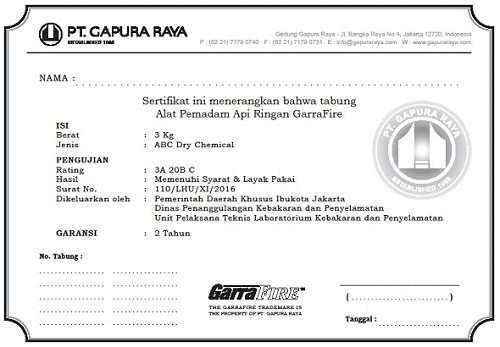
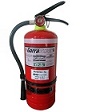
Fire Extinguishers


Company founder Mr. Peter Isman displaying fire extinguishers at PT. Gapura Raya’s office in 1969


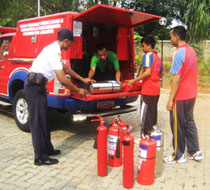
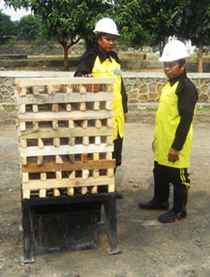
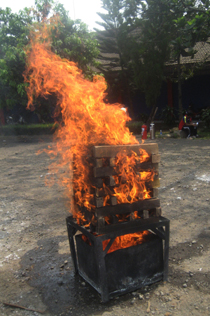
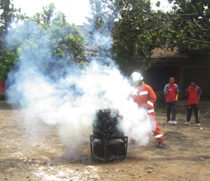
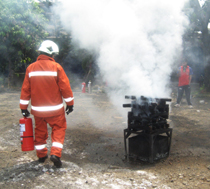
PT Gapura Raya demonstration & training of Garuda Indonesia Airways at Kemayoran airport, Jakarta in 1969 (Above 3 photos)

PT Gapura Raya fire extinguisher demonstration team in 1970

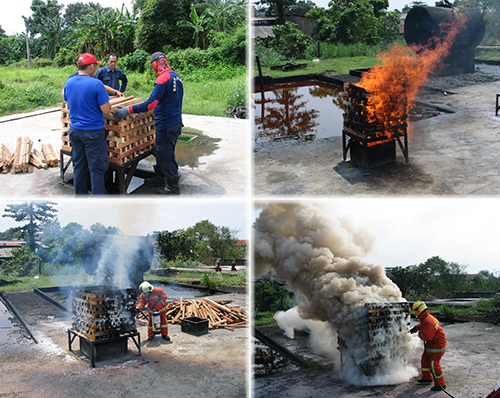
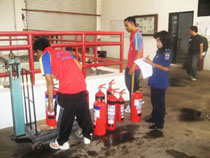
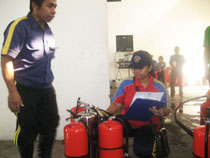
PT Gapura Raya fire repression training at the Police Department, Jakarta in the early 1970’s

PT Gapura Raya fire repression training at Tanjung Priok, Jakarta in the mid 1970’s


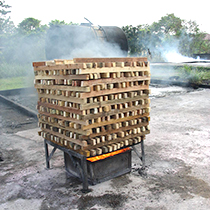
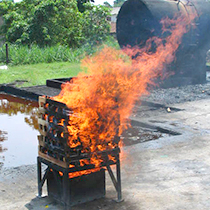
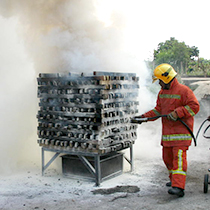
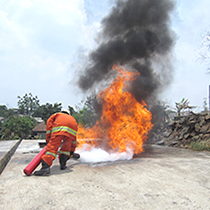
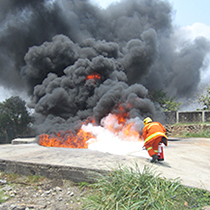
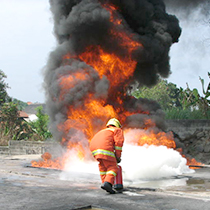
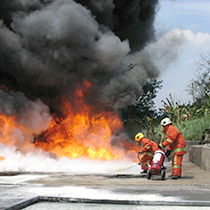
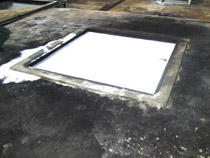
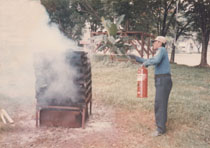
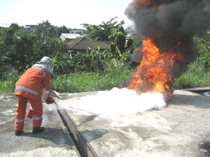
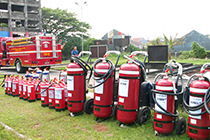
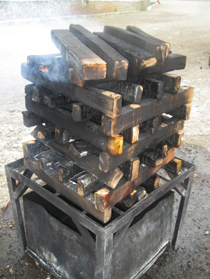
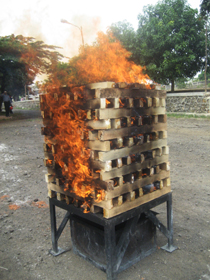
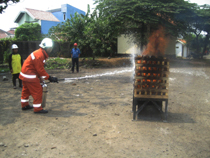
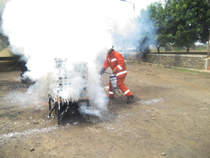
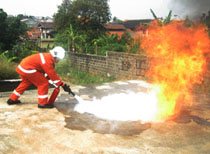
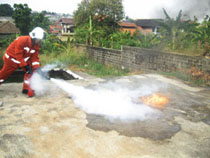
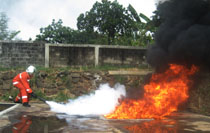
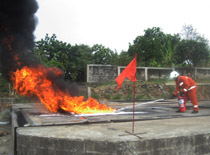
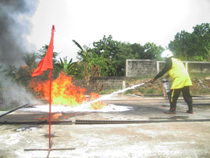
PT Gapura Raya fire repression demonstrations in the 1980’s(Above 2 photos)


Fire Extinguishers

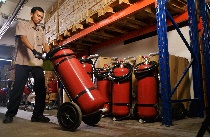
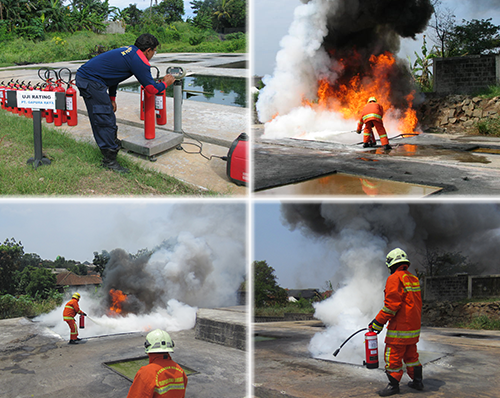
We have been in the fire extinguisher business since 1969. As a pioneer in the industry with over 40 years experience, we have a vast technical know-how of the fire extinguisher industry. We have sold tens of thousand of fire extinguishers to satisfied customers throughout Indonesia.

Based on our filed experience we now provide a total fire repression solutions and fire extinguisher rental services


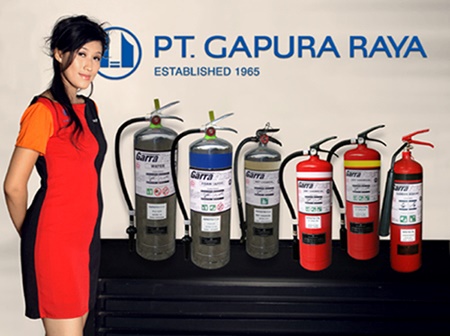
Miss Gapura Raya 1987

General Information


Types of Fire
Fire is categorized into four types
1. Class 'A'- Ordinary combustible materials such as paper, wood, cardboard, and most plastics
2. Class 'B'- Flammable or combustible liquids such as petrol, kerosene, grease and oil
3. Class 'C'- Electrical equipment, such as appliances, wiring, circuit breakers and outlets
It is vital to know what type of extinguisher you are using. Using the wrong type of extinguisher for the wrong type of fire can be life-threatening.

Some fires may involve a combination of these classifications. Fire extinguishers should have 'ABC' ratings on them.

Common Types of Fire Extinguishers
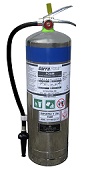
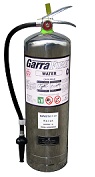
Air-pressurized Water (APW) Extinguishers
  • Water extinguishers are filled with regular tap water and pressurized with oxygen
  • Containing mainly water, it is non-toxic
  • Usually used in stockrooms, schools, offices
  • It cannot be used for class B or C fires because it is conductive
  • It cannot be used for grease fires, electrical fires or class D fires as the flames will spread and make the fire bigger
  • Can be very dangerous in the wrong type of situation
  • Only use if you're certain it contains ordinary combustible materials only such as paper, wood, cardboard or plastics
Suitable for:
Class 'A' only (paper, wood, cardboard, plastics)

Not Suitable for:
Class 'B' (petrol, kerosene, grease, oil)
Class 'C' (electrical, wiring, circuit, outlets)
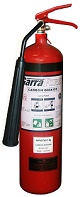
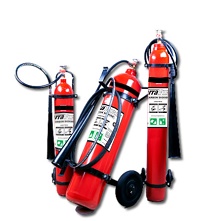
Carbon Dioxide (CO2) extinguishers
  • Contain carbon dioxide, a non-flammable gas, and are highly pressurized. The pressure is so great that it is not uncommon for bits of dry ice to shoot out the nozzle
  • CO2 is heavier than oxygen so these extinguishers work by displacing or taking away oxygen from the surrounding area
  • CO2 is very cold so it also works by cooling the fuel
  • It is environmentally friendly and leaves no residue, so cleanup is unnecessary
  • Usually used in contamination-sensitive places such as computer rooms, labs, food storage areas, and processing plants
  • They have an advantage over dry chemical extinguishers since they don't leave a harmful residue making it a good choice for an electrical fire on a computer or other electronic devices
  • They don't work very well on class A fires because they may not be able to displace enough oxygen to put the fire out, causing it to re-ignite
Suitable for
Class 'B' (petrol, kerosene, grease, oil)
Class 'C' (electrical, wiring, circuit, outlets)

Not suitable for
Class 'A' only (paper, wood, cardboard, plastics)

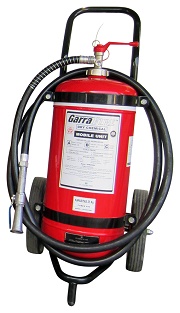
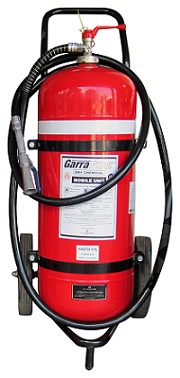
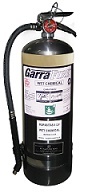
Multi-Purpose Dry Chemical (A, B, C)
  • Filled with a dry chemical agent called mono ammonium phosphate, a yellow powder that leaves a sticky residue
  • May be damaging to electrical appliances such as a computer
  • The chemical is non-conductive and can be mildly corrosive if moisture is present
  • In order to avoid corrosion, it is necessary to scrub and thoroughly clean the contacted area once the fire is out
  • A dry chemical fire extinguisher is usually used in schools, general offices, hospitals, homes, etc.
Suitable for
Type 'A' only (paper, wood, cardboard, plastics)
Type 'B' (petrol, kerosene, grease, oil)
Type 'C' (electrical, wiring, circuit, outlets)
  • Dry chemical extinguishers interrupt the chemical reaction of the fire by coating the fuel with a thin layer of powder or foam, separating the fuel from the surrounding oxygen.
  • They have an advantage over CO2 extinguishers since they leave a non-flammable substance on the extinguished material, reducing the likelihood of re-ignition
  • Dry chemical fire extinguishers come in a variety of types and are filled with foam or powder and pressurized with nitrogen
Foam (A, B)
  • Foam floats on flammable liquids to tame the fire and helps prevent re-flashes
  • To clean the affected area, it must be washed away and left to evaporate
  • Fire extinguishers with foam are usually used in garages, homes, vehicles, workshops, etc.

Fire Extinguisher Ratings
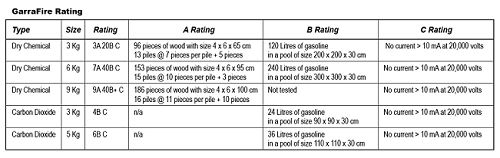
Each fire extinguisher also has a numerical rating that serves as a guide for the amount of fire the extinguisher can handle. The higher the number, the more fire-fighting power it has.
  • The numerical rating on water type extinguishers indicates the amount of water it holds and the amount of fire it can extinguish.
  • The numerical rating for class B extinguishers indicates the approximate area of fire it can extinguish.
  • Class C extinguishers do not have a numerical rating. The C classification means the extinguishing agent is non-conductive.

Choosing Fire Extinguishers
  • Choosing the proper type of fire extinguisher is an important issue
  • Using the wrong type of fire extinguisher can be dangerous; in some cases, it can encourage a fire to spread!
  • When choosing a fire extinguisher, consider the room for which you are placing it. In a restaurant kitchen, for example, a grease fire from cooking is likely to occur. Therefore, you would not want a water-based extinguisher, which would worsen the fire but a dry chemical extinguisher with ABC ratings.
  • If you have a room with delicate materials you wish to protect such as electronics, you may wish to opt for a CO2 extinguisher which won't leave a harmful residue
Essentially, consider two things:
  • The material you wish to protect, and
  • The type of extinguishing agent that will be most effective at suppressing the possible type of fire caused by these materials
The following is a list of commonly used fire extinguishing systems and their corresponding classes of fire. The classes are indicated in parentheses such as (A, B, C):

Fuel Source Class of Fire Type of Extinguisher (Extinguishing Agent)
Flammable liquids
(e.g. wood, paper, cloth)
A Water; chemical foam; dry chemical*
Ordinary combustibles
(e.g. oils, grease, tar, gasoline, paints, thinners)
B Carbon dioxide (CO2); halon**; dry chemical; aqueous film forming foam (AFFF)
Electricity
(e.g. live electrical equipment)
C CO2; halon; dry chemical
* Dry chemicals, CO2 and halon can be used on Class A fires, but may not be effective on their own. They need to be supplemented with water.
** Halon extinguishers are no longer made but some may still be in use. Dangerous gases are formed when halon is used to put out fires. Wear proper respiratory equipment, particularly in enclosed spaces. After use, do not allow anyone to enter the area until it has been well ventilated.

Where to Place Fire Extinguishers
Having a fire extinguisher is one thing, having it handy in case of an emergency, is another.
  • The most important places to have a fire extinguisher are in areas that are more susceptible to fire
  • Make sure the extinguisher is not blocked by equipment, coats or other objects that could interfere with access in an emergency
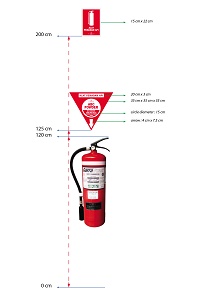
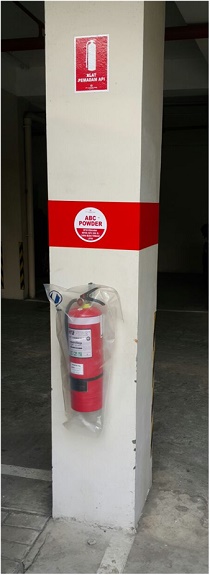
  • Keep them in plain sight and no more than one and a half meter above the floor
  • Do not put them in closets because that will cost you valuable time when you are reaching for it
  • Do not put it behind curtains or drapes
  • Statistics show that kitchens are where fires, most often start
  • If there is a kitchen or pantry, or any cooking area on the premises, a fire extinguisher should be placed there
  • Consider the type of user, whether they are predominantly men or women, when placing fire extinguisher size
  • If users are predominantly men, you can place 6 to 9 Kg size fire extinguishers between seven to ten meters away
  • If users are predominantly women, you might place 1 or 3 Kg size extinguishers five to seven meters away

Inspection and Maintenance
Inspection
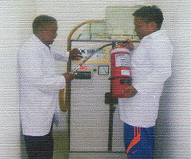
  • An inspection is a "quick check" to give reasonable assurance that a fire extinguisher is available, fully charged and operable
  • The value of an inspection lies in the frequency, regularity, and thoroughness with which it is conducted
During inspection, ensure that:
  • The extinguisher is in a location that makes it readily accessible
  • The extinguisher is set up properly for easy handling, and that nothing is obstructing access to any parts of it, including the hose
  • The pressure dial is checked to see if it needs to be charged
  • On extinguishers equipped with a gauge, the needle should be in the green zone
  • Dry chemical extinguishers are shaken to reduce the chance of the powder from settling or packing
  • The pin and tamper seal are intact and the pull pin is properly secured within the handle and held in place by the tamper seal
  • There are no dents, leaks, rust, chemical deposits or other signs of abuse or wear
  • The fire extinguisher does not have any cracks, dents, or rust on its shaft which might hinder its performance
  • To wipe off any corrosive chemicals, oil, gunk etc. that may have deposited on the extinguisher
  • There is a visible instruction label on the fire extinguisher, and that it is legible
  • No modifications were made to the fire extinguisher that might affect its performance level
  • The inspection form on each extinguisher is completed
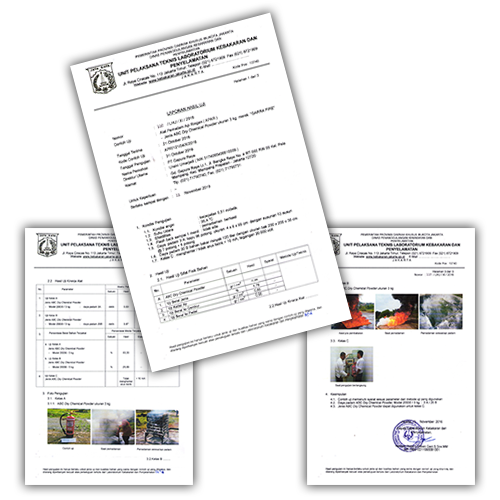
  • The Certificate of Inspection is completed and signed off
  • Attend to extinguishers requiring maintenance or replacement
Maintenance
  • All extinguishers must undergo maintenance whenever specifically indicated by an inspection or at least every 12 months irrespective of their condition
  • Maintenance is a "thorough check" of the extinguisher
  • It is intended to give maximum assurance that an extinguisher will operate effectively and safely
  • It includes a thorough examination and any necessary repair, recharging or replacement
  • It will normally reveal the need for hydrostatic testing of an extinguisher
  • Fire extinguishers should be pressure tested, a process called hydrostatic testing, after a number of years to ensure that the cylinder is safe to use
  • Fire extinguishers must be recharged immediately after use regardless of how much they were used
  • Maintenance must be undertaken by experienced technicians

Training
There is no point having fire extinguishers on the premises that are ready for an emergency if people don’t know how to use it. People on the premises must have hands-on training in operating a fire extinguisher.

How Fire Extinguishers Work
Fire needs fuel, oxygen and heat in order to burn. In simple terms, fire extinguishers remove one of these elements by applying an agent that either cools the burning fuel, or removes or displaces the surrounding oxygen
  • A typical fire extinguisher contains 10 seconds of extinguishing power
  • At the top of the cylinder, there is a smaller cylinder filled with compressed gas
  • A release valve acts as a locking mechanism and prevents this gas from escaping
  • When you pull the safety pin and squeeze the lever, the lever pushes on an actuating rod which presses the valve down to open a passage to the nozzle
  • The compressed gas is released, applying a downward pressure on the fire-extinguishing material
  • This pushes the material out the nozzle with high amounts of pressure.
Using Fire Extinguishers
Although there are many different types of fire extinguishers, all of them operate in a similar manner. Use this acronym as a quick reference

P A S S
  • Pull the Pin at the top of the extinguisher. The pin releases a locking mechanism and will allow you to discharge the extinguisher
  • Aim at the base of the fire, not the flames. This is important - in order to put out the fire, you must extinguish the fuel
  • Squeeze the lever slowly. This will release the extinguishing agent in the extinguisher. If the handle is released, the discharge will stop
  • Sweep from side to side. Using a sweeping motion, move the fire extinguisher back and forth until the fire is completely out
Operate the extinguisher from a safe distance, about a meter away, and then move towards the fire once it starts to diminish. Remember to aim at the base of the fire, not at the flames!

How to Fight a Fire Safely
All fires can be very dangerous and life-threatening. Your safety should always be your primary concern when attempting to fight a fire.
Before deciding to fight a fire, you must be certain that:
  • you have had hands-on training before operating a fire extinguisher
  • you know how to use your fire extinguisher. There's not enough time to read instructions when a fire occurs.
  • you have the proper fire extinguisher for what is burning
  • you know your fire extinguisher works
  • the Fire extinguisher has been inspected regularly for dents, leaks or other signs of damage
  • the pressure is at the recommended level. On extinguishers equipped with a gauge, the needle should be in the green zone
  • the extinguisher has been recharged
What you need to be sure of is that:
  • The fire is small and not spreading. A fire can double in size within two or three minutes
  • The fire won't block your exit if you can't control it. A good way to ensure this is to keep the exit at your back
  • Always stand with an exit at your back
  • Stand about one meter away from the fire, moving closer once the fire starts to diminish
  • Use a sweeping motion and aim at the base of the fire
  • If possible, use a "buddy system" to have someone back you up or call for help if something goes wrong
  • Be sure to watch the area for awhile to ensure it doesn't re-ignite.
  • Although the temptation is to aim the extinguisher at the flames, the proper way to use the extinguisher is to aim it directly at the fuel.
  • Once the fire is out, don't walk away! Watch the area for a few minutes in case it re-ignites
Never fight a fire if:
  • The fire is spreading rapidly. Only use a fire extinguisher when the fire is in its early stages. If the fire is already spreading quickly, evacuate and call the fire department
  • You don't know what is burning. Unless you know what is burning, you won't know what type of fire extinguisher to use. Even if you have an ABC extinguisher, there could be something that will explode or produce highly toxic smoke
  • You don't have the proper fire extinguisher. The wrong type of extinguisher can be dangerous or life-threatening
  • There is too much smoke or you are at risk of inhaling smoke. Seven out of ten fire-related deaths occur from breathing poisonous gases produced by the fire. Any sort of fire will produce some amount of carbon monoxide, the most deadly gas produced by a fire. Materials such as wool, silk, nylon and some plastics can produce other highly toxic gases such as carbon dioxide, hydrogen cyanide, or hydrogen chloride. Beware - all of these can be fatal.
  • Smoke inhalation or exposure to fire itself can be life threatening.
If you are on fire, Stop, drop, and roll

Emergency Numbers
  • Have the emergency number of your nearest fire emergency service placed near your fire extinguisher
Prior to a fire, create a fire escape plan
  • A carefully designed fire escape plan can save lives
  • The old motto "be prepared" is essential in escaping a fire safely
  • Should a fire occur, people's safety will depend on everyone's rational reactions
  • Make sure everyone in the building knows of two ways out of each room in the building
  • This is because if one exit route is blocked, you have a backup plan.
  • Agree on a place to meet to do a "head count" once you evacuate the building
  • Most fire deaths occur when people panic
  • Exit drills and a carefully designed escape plan is your key to a safe escape
Recipe for an effective fire safety plan
Put together a fire safety plan to be ready in case of a fire
  • Draw the floor plan of your building
  • Indicate all doors, windows and other possible escape routes from each room
  • Draw arrows to indicate the normal exits which will be your primary escape route
  • Your best way out of the building is your fire escape or your normal route to the door
  • With a different colour, draw arrows to indicate a second exit from each room
  • Designate a meeting place outside the building where everyone will gather after escaping a fire
  • Do a "head count" and inform the fire department if anyone is trapped inside the burning building
  • Once you are out Stay Out
Don't just look at your plan on paper
  • Once you have completed this initial plan on paper, assemble the staff and practice the route, including the alternate routes
  • This is a necessary step in fire safety planning because it gives you the opportunity to detect possible flaws in the process
  • If you have to make a change, have the staff practice the new routes again, and continue to do so until you feel sure that you have an efficient and working escape plan
  • Finally, give everyone a copy of the plan and ask if everyone is clear on their closest, most practical exit route, as well as the alternate ones
  • Also, be sure to have a meeting point outside the building, one that is far from the fire, and then ensure yourself that everyone is safe
Fire Drill
In the event of a fire, you will not have time to think about how to escape. Devising a well-thought-out fire escape plan can significantly increase your chances of survival.
  • Appoint someone to be a monitor and have everyone participate
  • Practice the escape plan at least twice a year and have a fire drill
  • A fire drill is not a race. Get out quickly, but carefully.
  • If your building is multi-storey, be sure there is a safe way to reach the ground
  • Fire escape ladders are recommended for a fast and safe exit from multi level buildings. Make special arrangements for the elderly or people with disabilities
  • People who have disabilities should work on the ground floor, where possible
  • Make sure everyone in the building can unlock all doors and windows quickly
  • Windows or doors with security bars need to be equipped with quick-release devices and everyone in the building should know how to use them
Remember, Get Out First and Call for Help After

Materials Safety Data Sheet
according to 1907/2006/EC, Article 31

Identification of substance:

Product details:
Trade name: Furex 650 N
Application of the substance / the preparation fire extinguisher powder

Manufacturer/Supplier
CALDIC Deutchland Chemie B. V.
Am Karlshof 10
40231 Dusseldorf
Tel.: 0211/7346-0


Information department: Product safety department.
Emergency information: Tel.: +49 211 7346-233

More Details